


Last weekend I made a long-awaited visit to the Forge Mill Needle Museum in Redditch, a place that beautifully celebrates the heritage of needle-making while also embracing contemporary textile art. Alongside the fascinating industrial history, I was delighted to discover a vibrant exhibition of modern quilting by the Bristol Modern Quilt Group titled “Shape it Modern.”

Forge Mill Needle Museum entrance

Bristol Modern Quilt Group banner
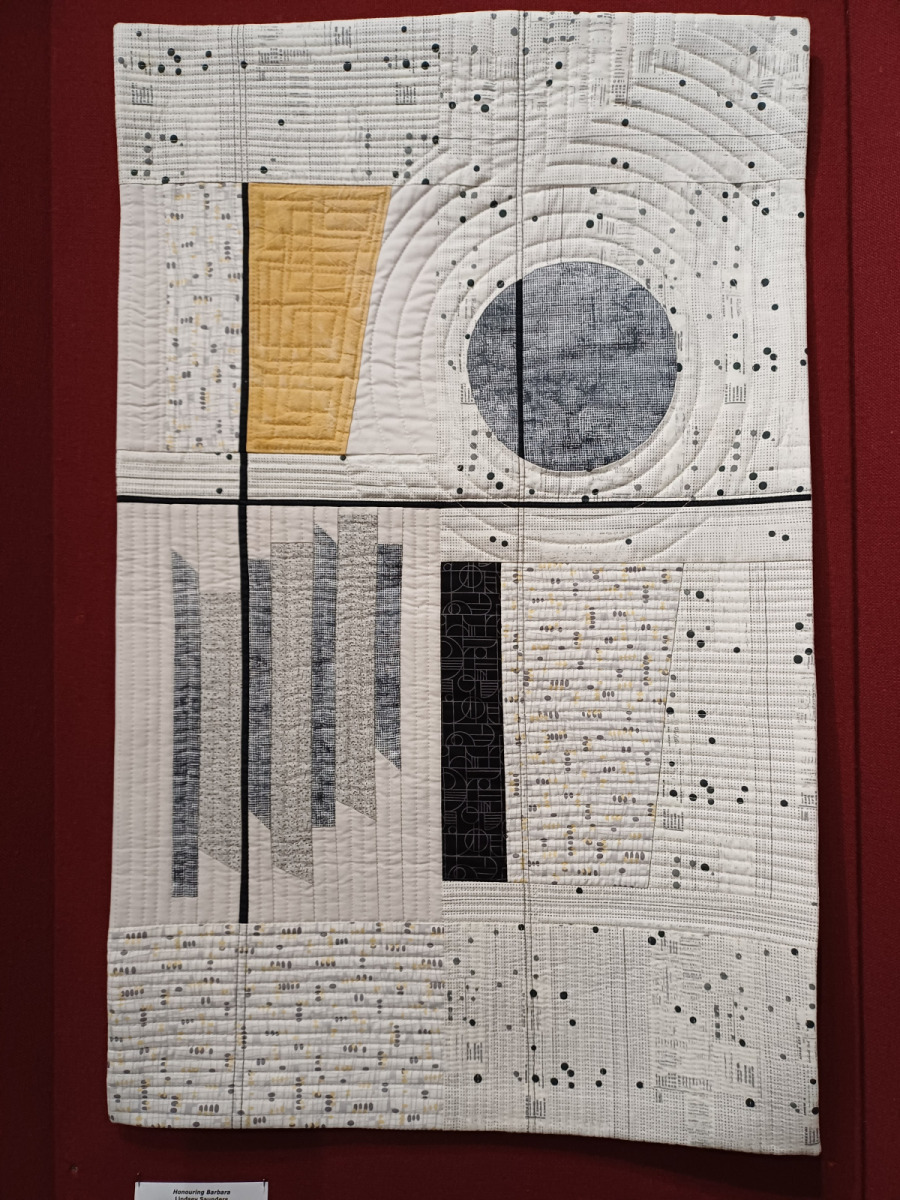
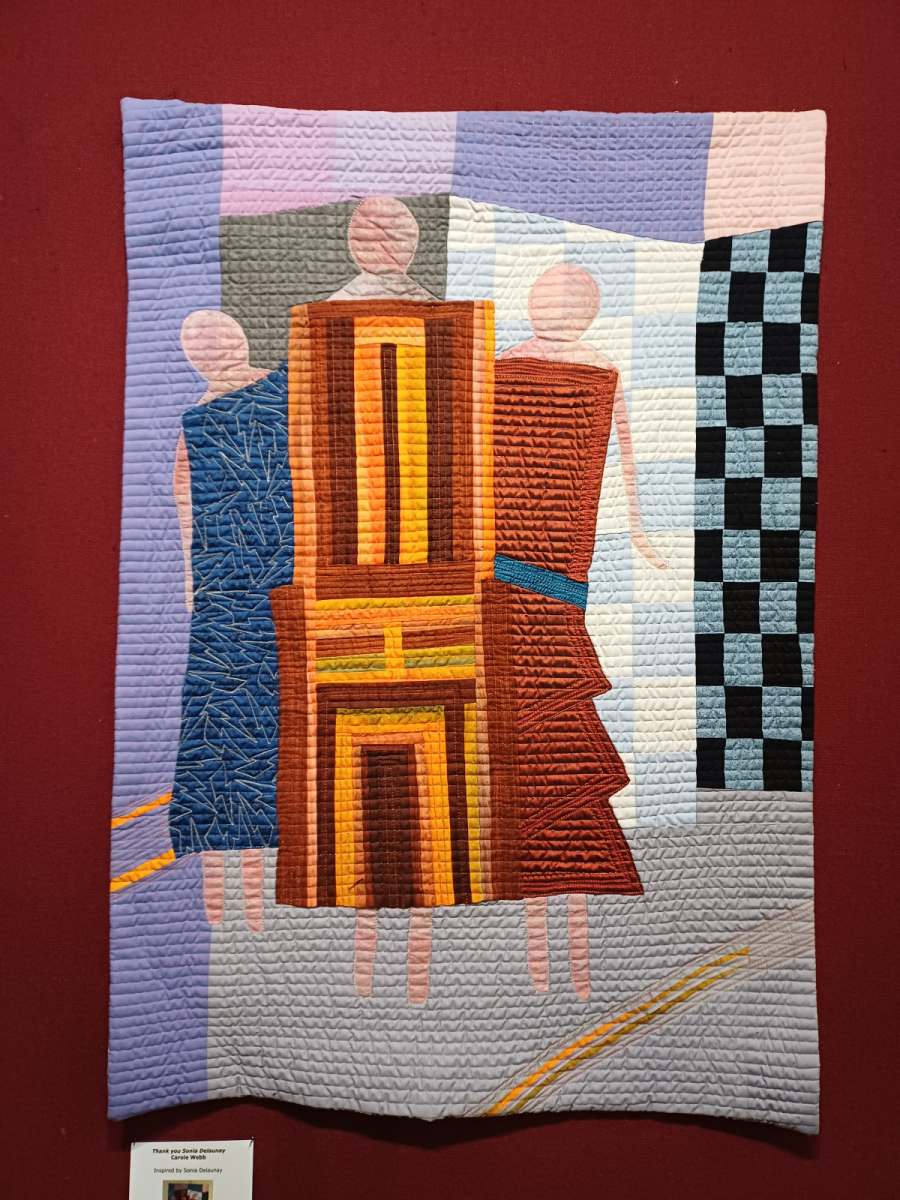
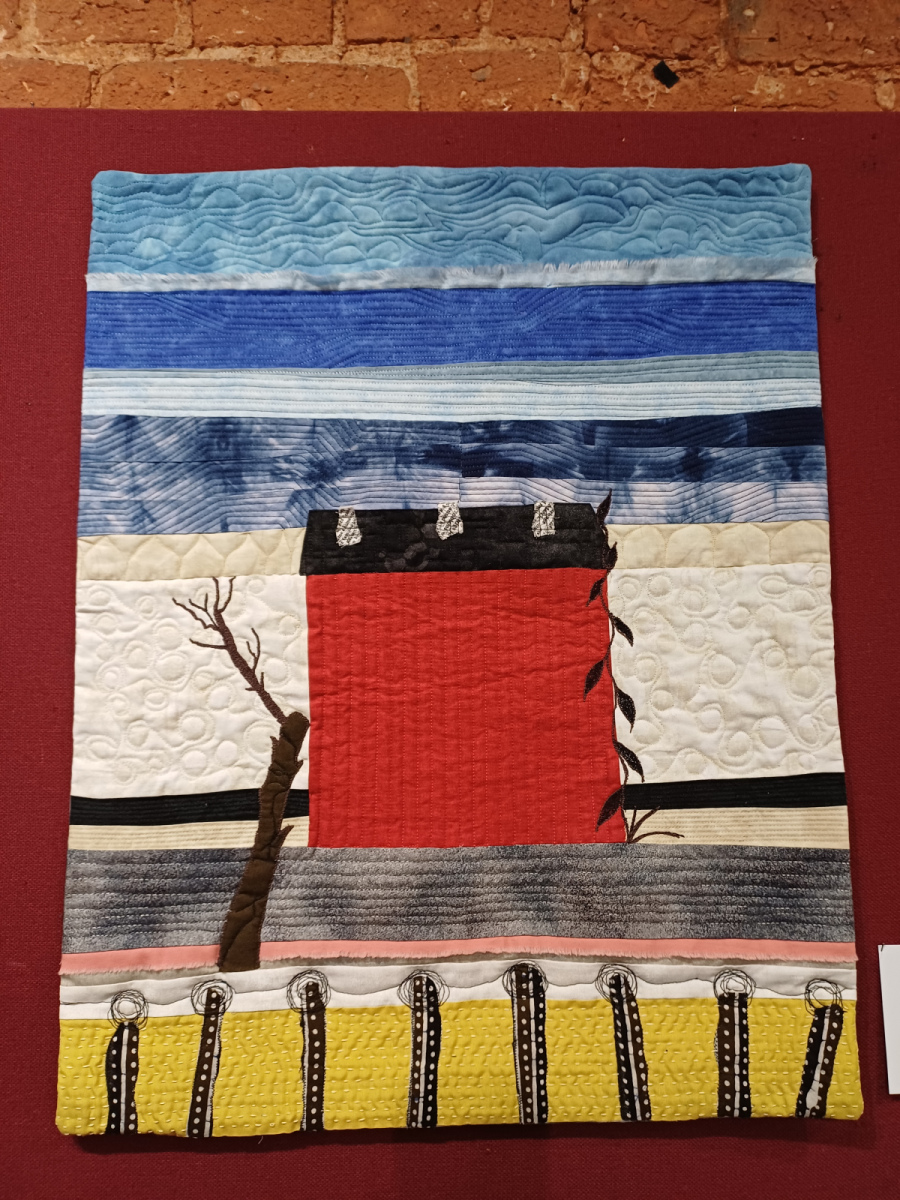
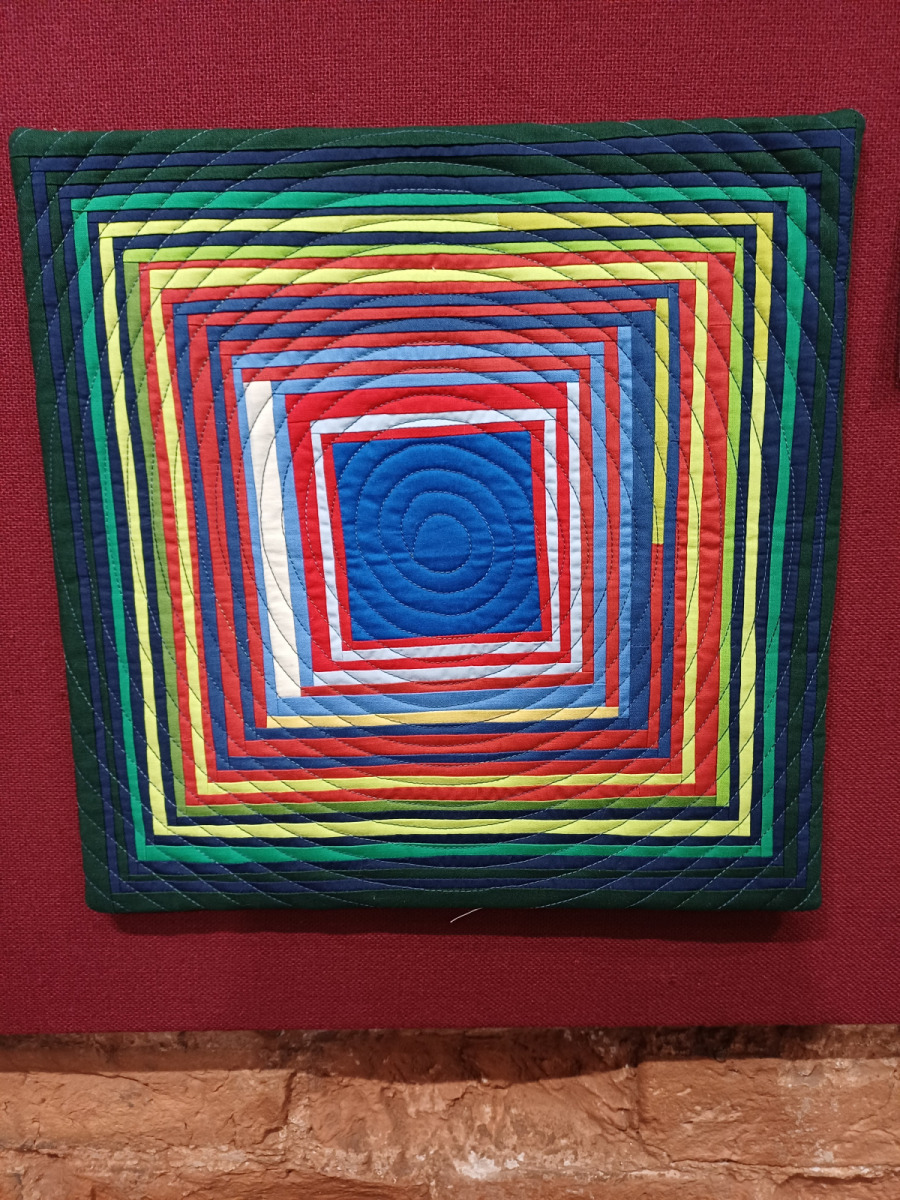
The exhibition explored a deceptively simple question: what makes a quilt “modern”? Rather than offering a single answer, the collection presented a rich and varied conversation in cloth. Each piece reflected the individual voice of its maker while still contributing to a cohesive exploration of modern quilting principles.
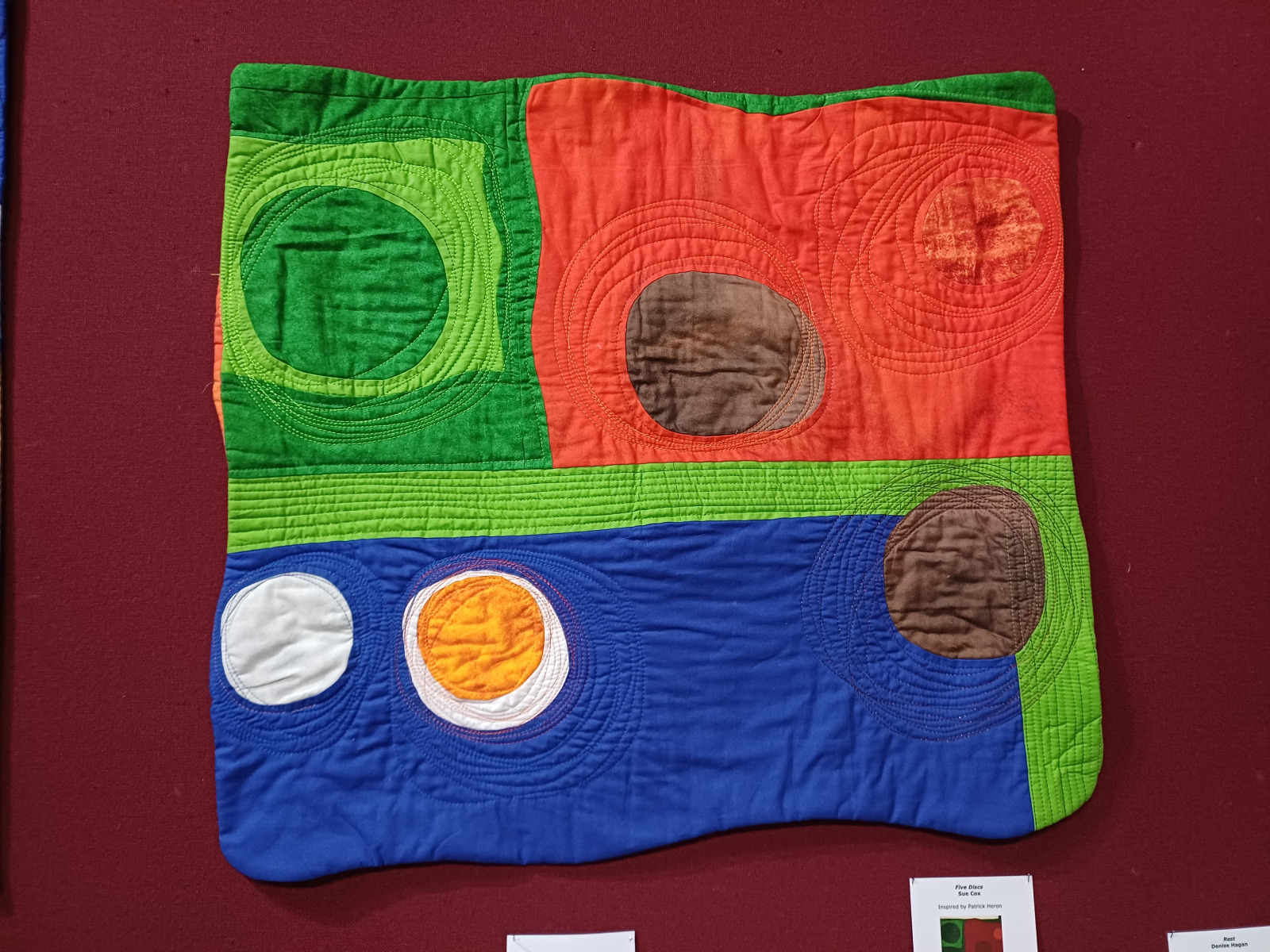
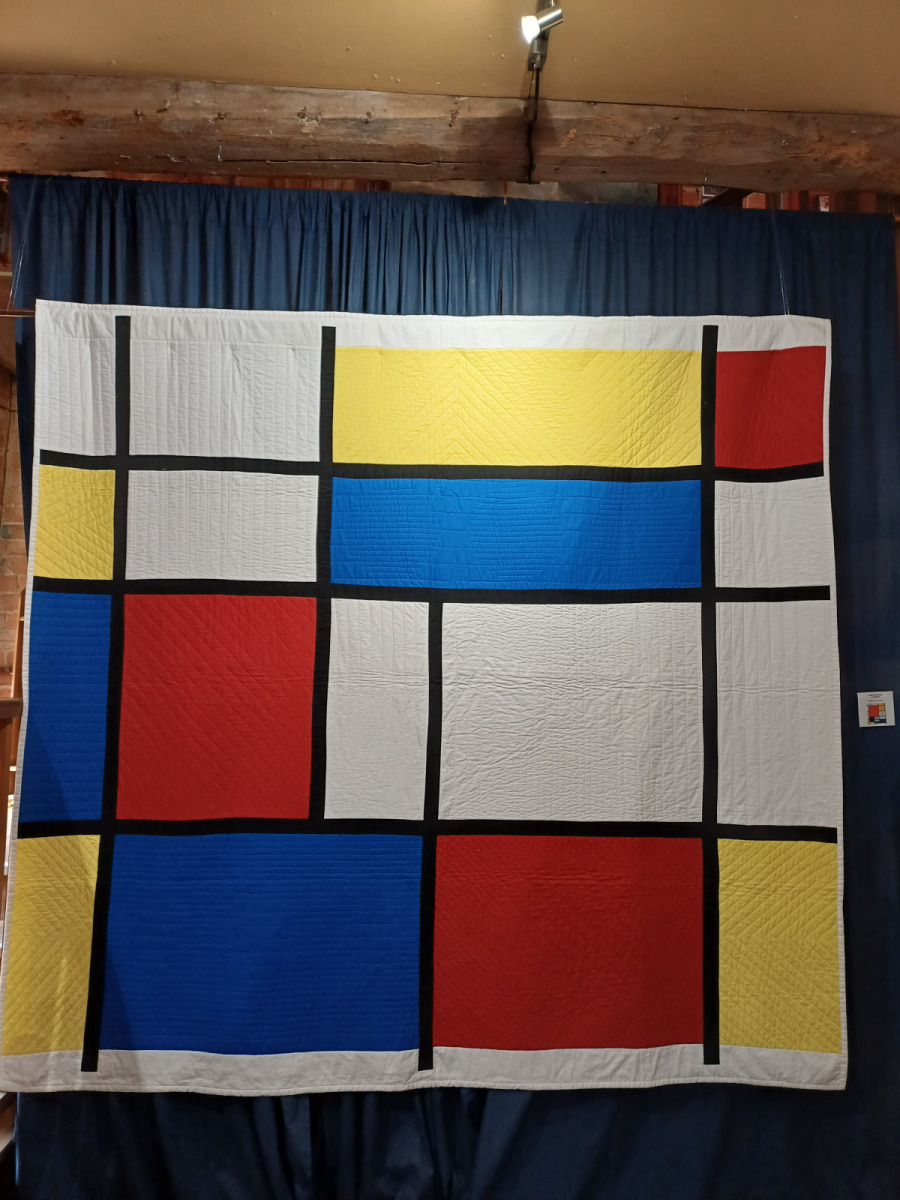
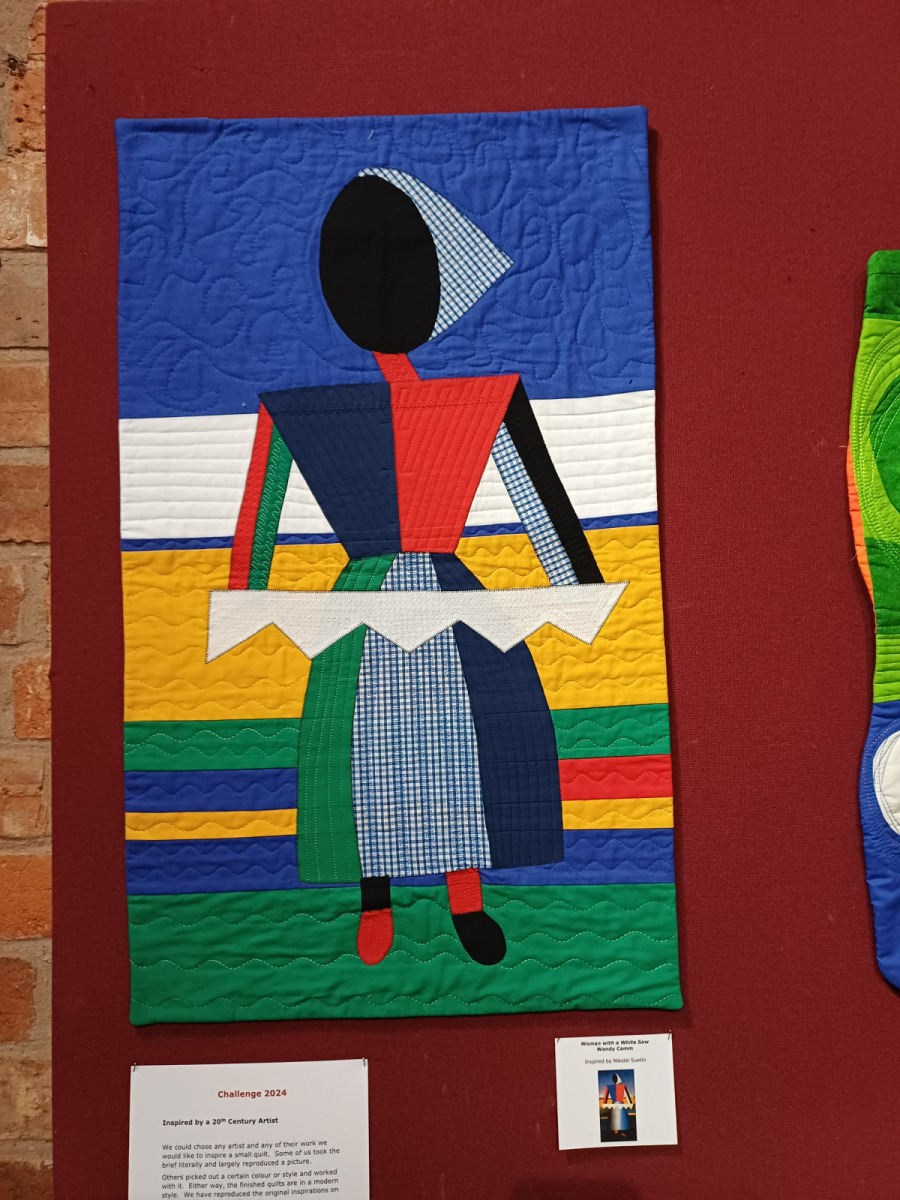
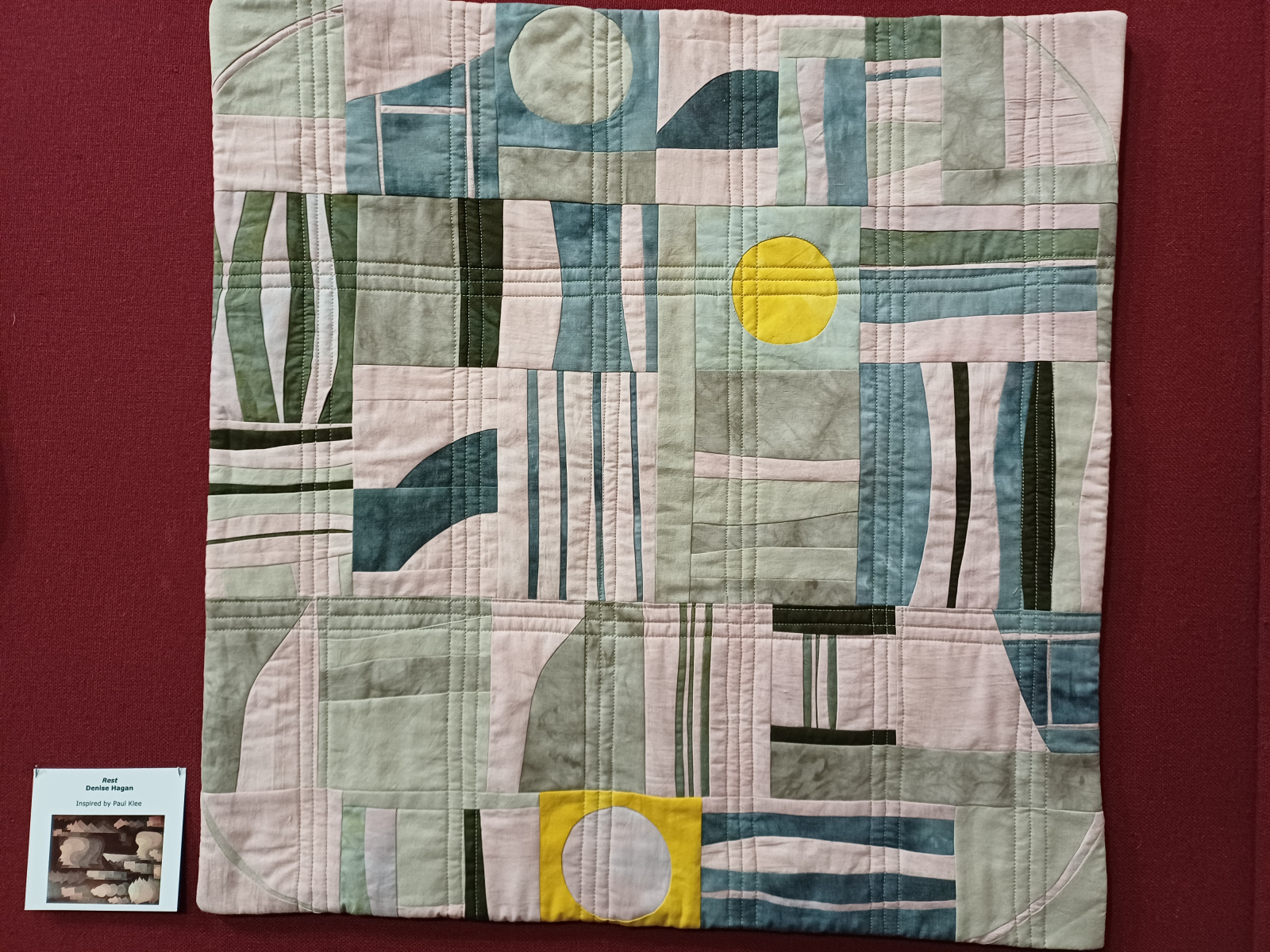
What struck me immediately was the breadth of artistic inspiration behind the quilts. Members of the group had drawn from an eclectic mix of artists—some interpreting bold architectural forms, others echoing sculptural simplicity or playful abstraction. There were also clear nods to geometric precision and striking, minimalist compositions.
Each quilter approached their source material differently. Some selected and reimagined small fragments of a larger artwork, while others focused on translating shape, form, or colour palettes into textile. This diversity of interpretation made the exhibition especially engaging; you could often sense the original influence while still appreciating each quilt as a completely independent work.
The resulting collection was nothing short of energising. Bold colours dominated many of the pieces, used with confidence and intention. There was a strong emphasis on asymmetry, with compositions that felt dynamic and sometimes unexpected, drawing the eye across the surface in intriguing ways.
Improvisational elements added a sense of spontaneity, while minimalist designs demonstrated how powerful simplicity can be when paired with thoughtful execution.
One of the most compelling aspects across the exhibition was the use of negative space. Rather than filling every inch, many of the quilts allowed areas of “quiet” to balance the more active sections. This careful restraint gave the designs room to breathe and highlighted the shapes and colours all the more effectively.
Walking through the exhibition, I found myself reflecting on how modern quilting continues to evolve. It is not confined to rigid definitions but instead thrives on experimentation, personal expression, and a willingness to draw inspiration from the wider world of art and design.
Using a piece of collage artwork by Cuban artist Lolo Soldevilla as our starting point, we will experiment with taking inspiration from fine art and transforming it into our own textile pieces. Like the quilts in the exhibition, the aim is not to replicate but to respond — drawing on elements such as shape, composition and colour to create something entirely new.
The visit was both inspiring and thought-provoking — a reminder that quilting, while rooted in tradition, is very much a living, changing art form. Whether you are an experienced quilter or exploring textile art for the first time, exhibitions like this highlight the endless creative possibilities within modern quilting.
There were other exhibits from the Bristol Modern Quilt Group as well as the permanent exhibition, and I will circle back to them in a later blog.


0 Comments